





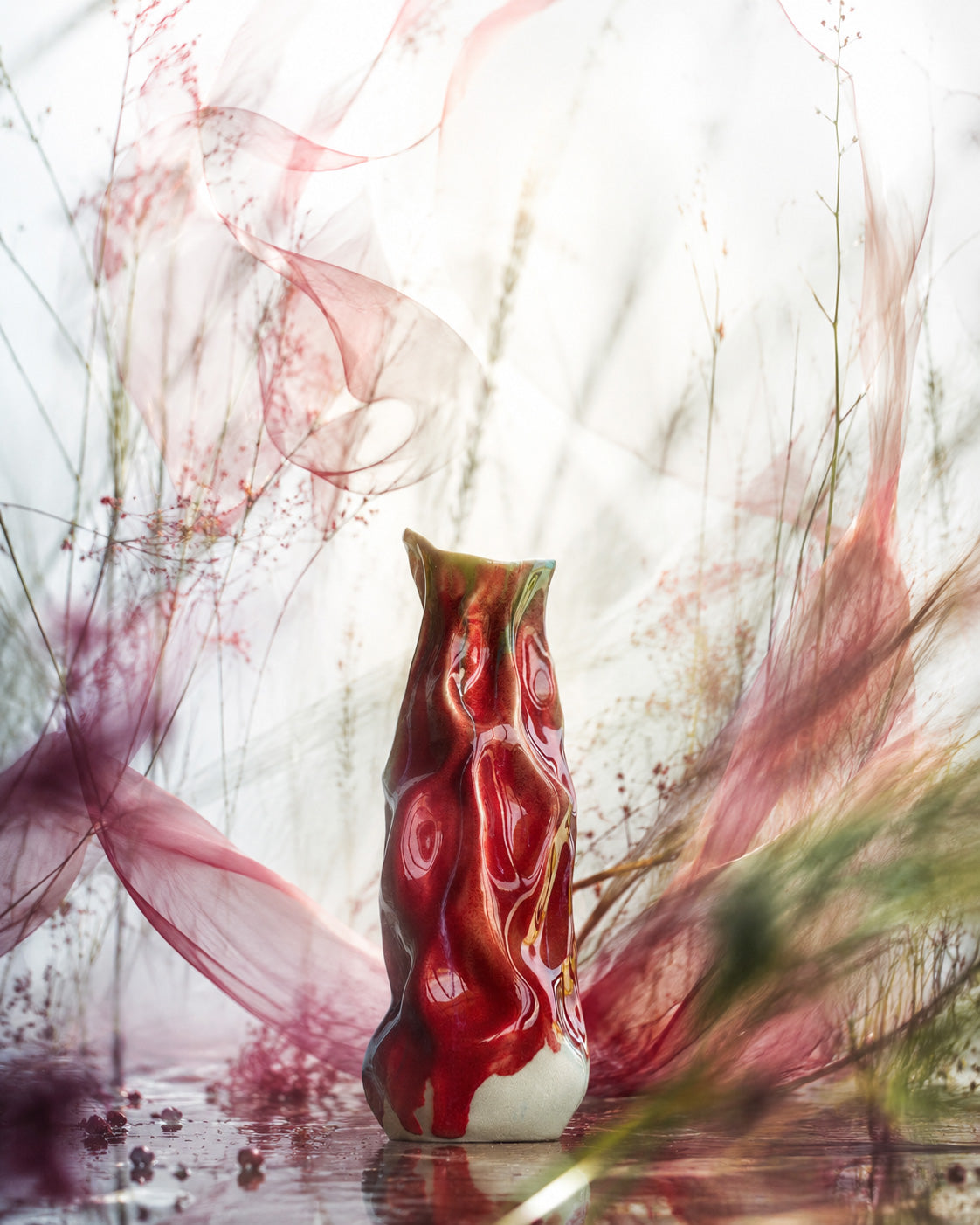


The first CALASSI collection was created with the industrial partnership of AYA Estate around five individual wines. Each begins with a different sensory profile — translated into its own form, colour, texture and material.
Created in porcelain and produced in a limited, numbered edition, each vessel is both a collectible object and a serving instrument designed specifically for the wine that inspired it.
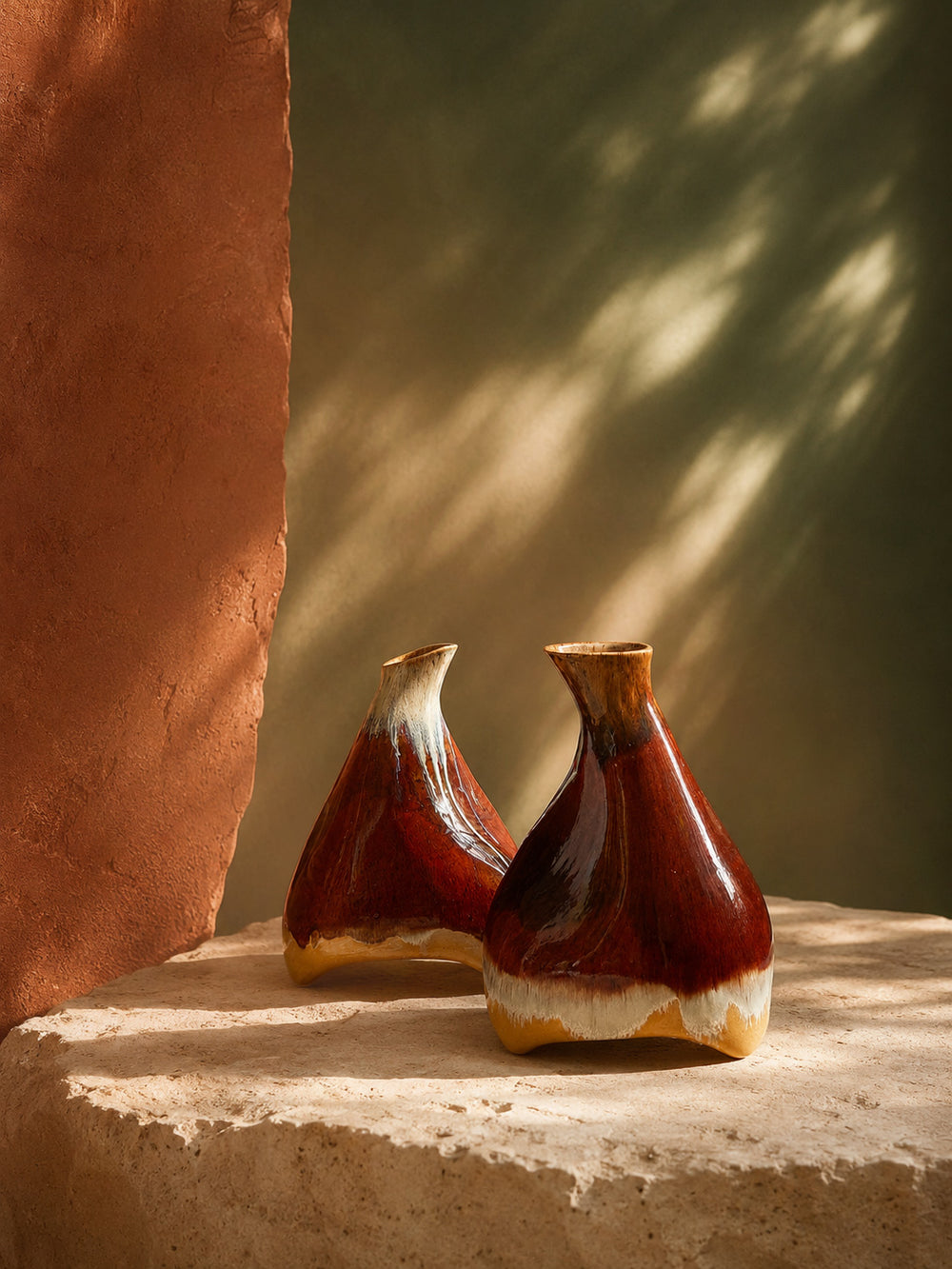
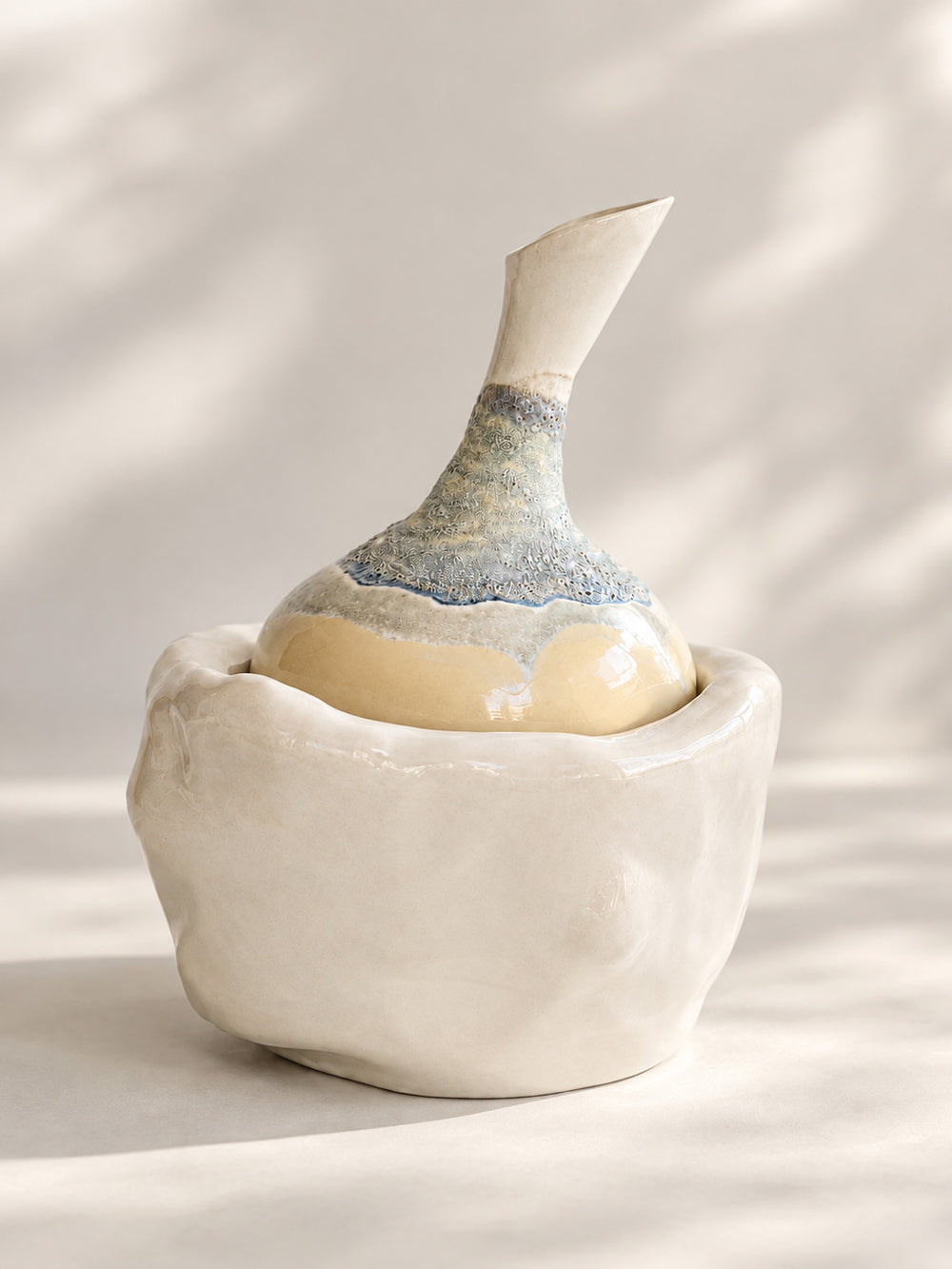
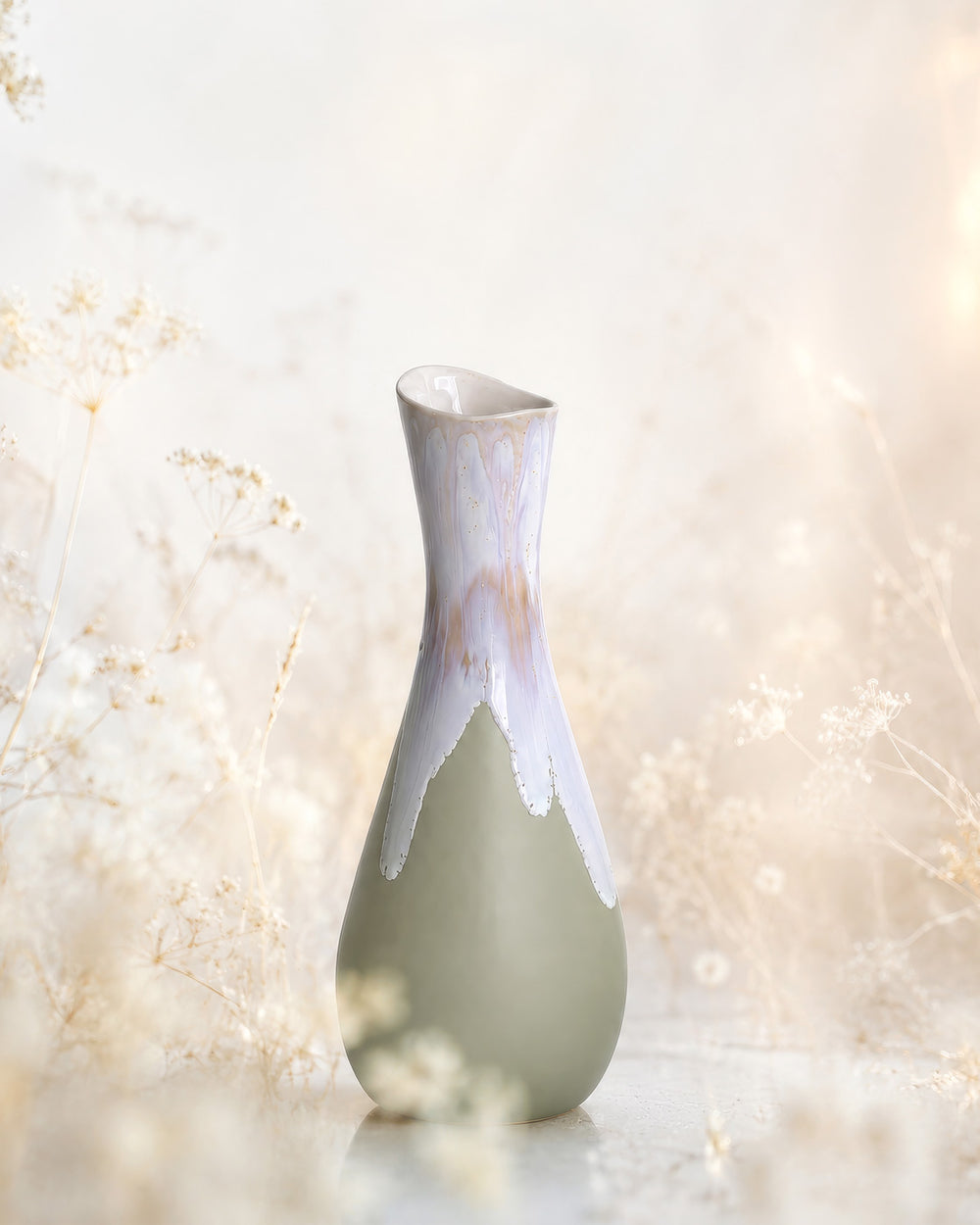
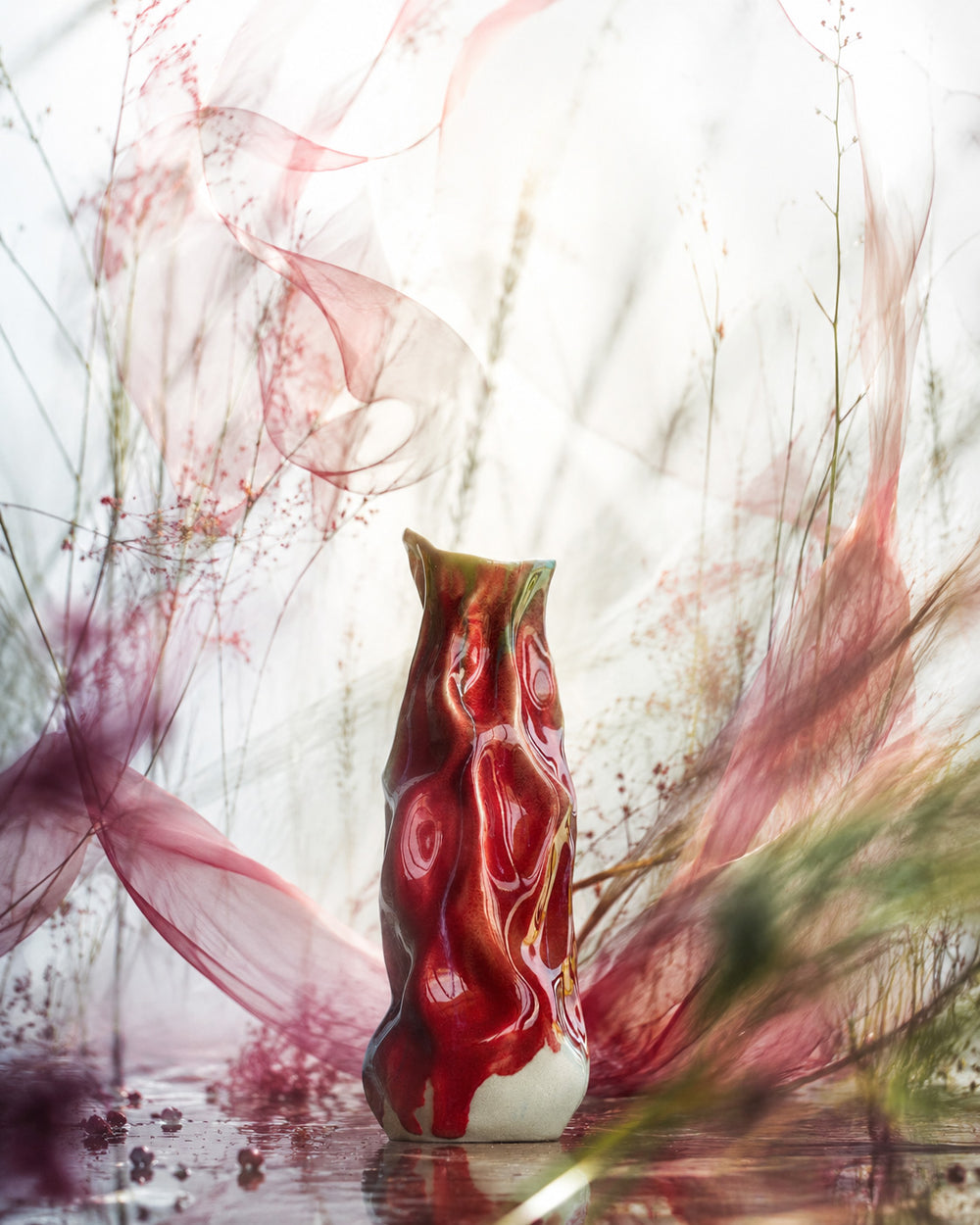
Wine has always been more than something we drink. CALASSI brings the serving ritual back to the table — creating anticipation, attention and a sense of occasion before the first sip.
Form, colour, texture, weight and touch translate the character of the wine into a physical object — preparing the senses for what is about to come.
Every system works around the wine itself — from aeration and light protection to temperature control and the physical act of holding, pouring and serving.

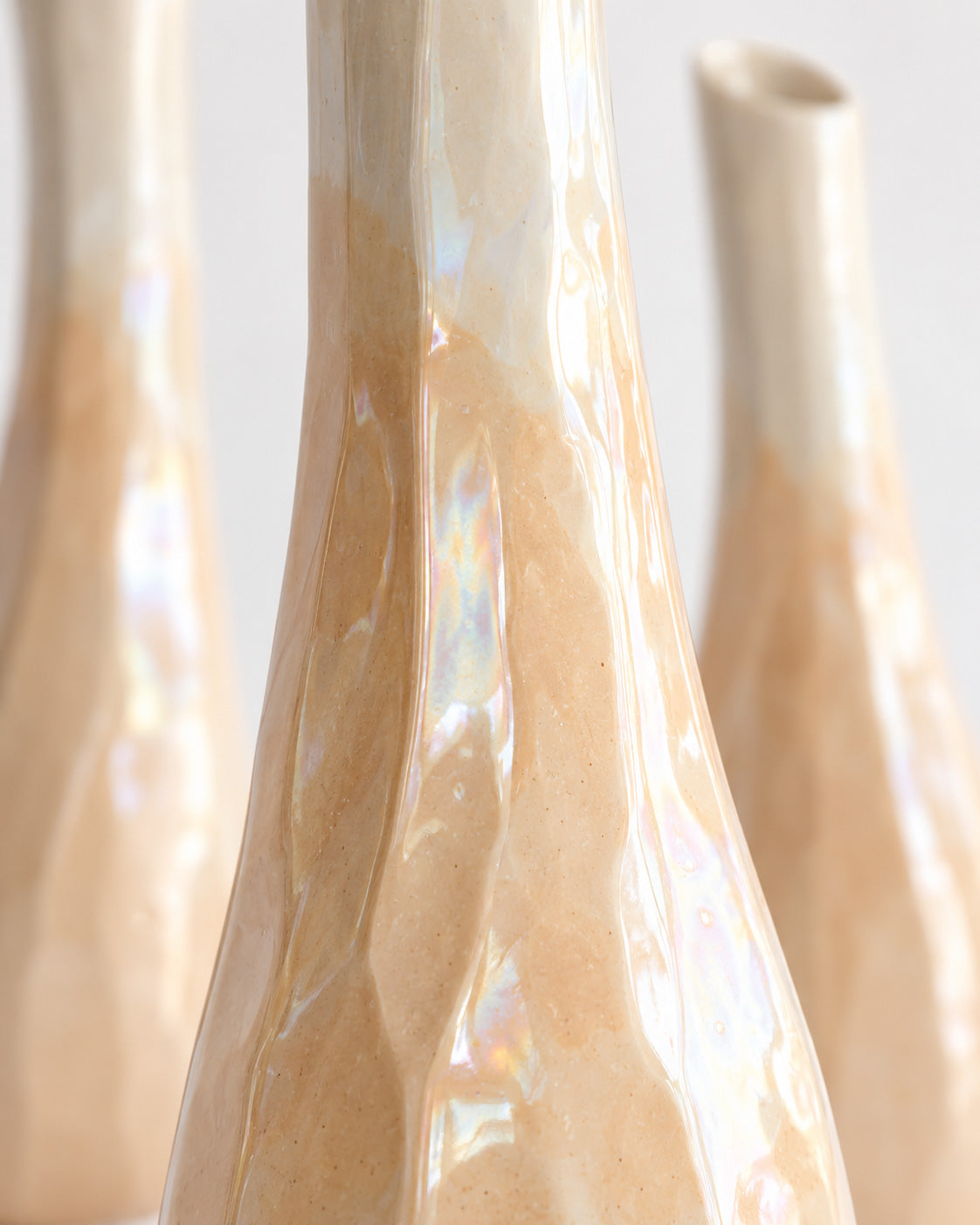
Taste does not begin on the tongue. Before the first bite, the brain is already forming expectations from what we see, touch and experience around us.
Research into crossmodal correspondences shows that our senses do not operate in isolation. We naturally associate certain colours, shapes, textures and tactile qualities with particular tastes, aromas and sensations.
CALASSI brings these correspondences to the table. The sensory profile of each wine becomes the starting point for decisions about form, colour, texture, material, weight and proportion — creating a vessel that shapes expectation before we taste.
“Even though it feels like we’re seeing or hearing or feeling or tasting — like we can break down our experience into different senses — in fact much more goes into our judgment and perception than we realize.”
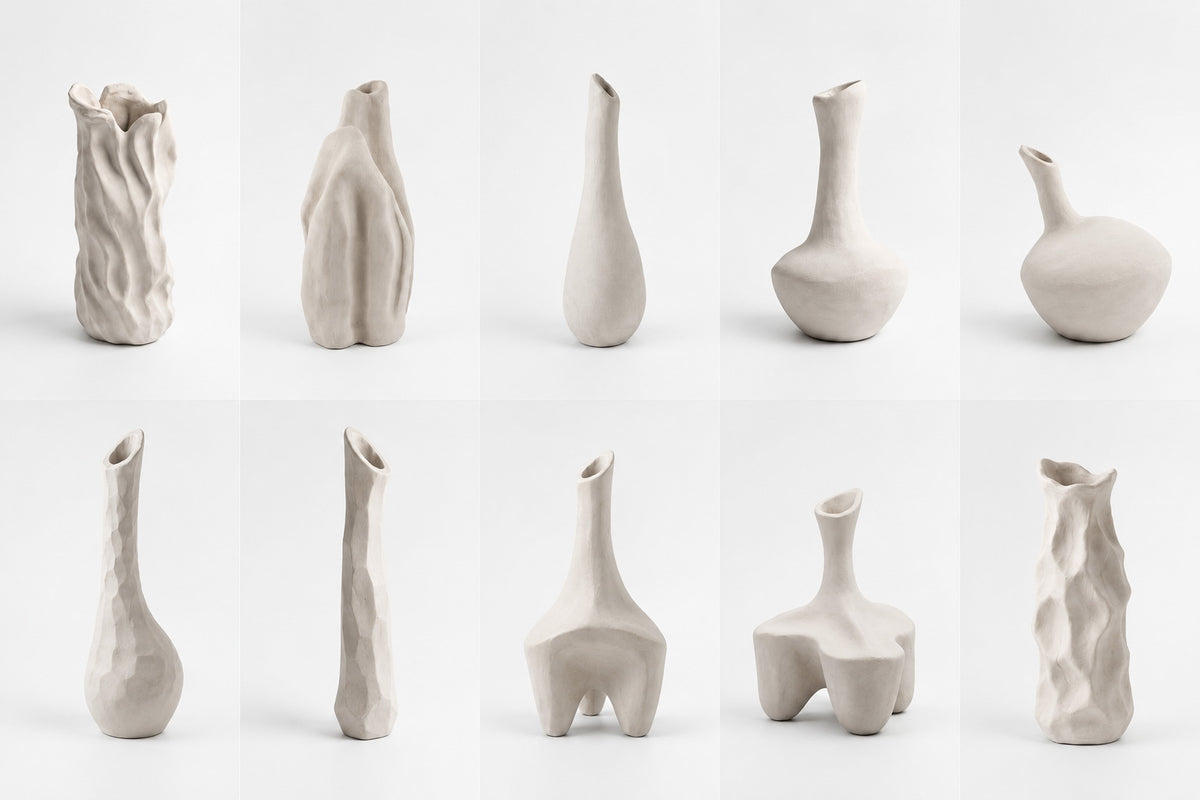
If you are a winery, wine producer or fine-dining restaurant looking to create a distinctive way to serve and experience your wines, CALASSI develops bespoke collections around individual wines — from sensory analysis and concept development to prototypes and the finished limited edition.